COME MEDITATE IN CONNECTICUT
The Way to Self-Realisation – the Knowledge of the Spirit

What Is Sahaja Yoga Meditation?
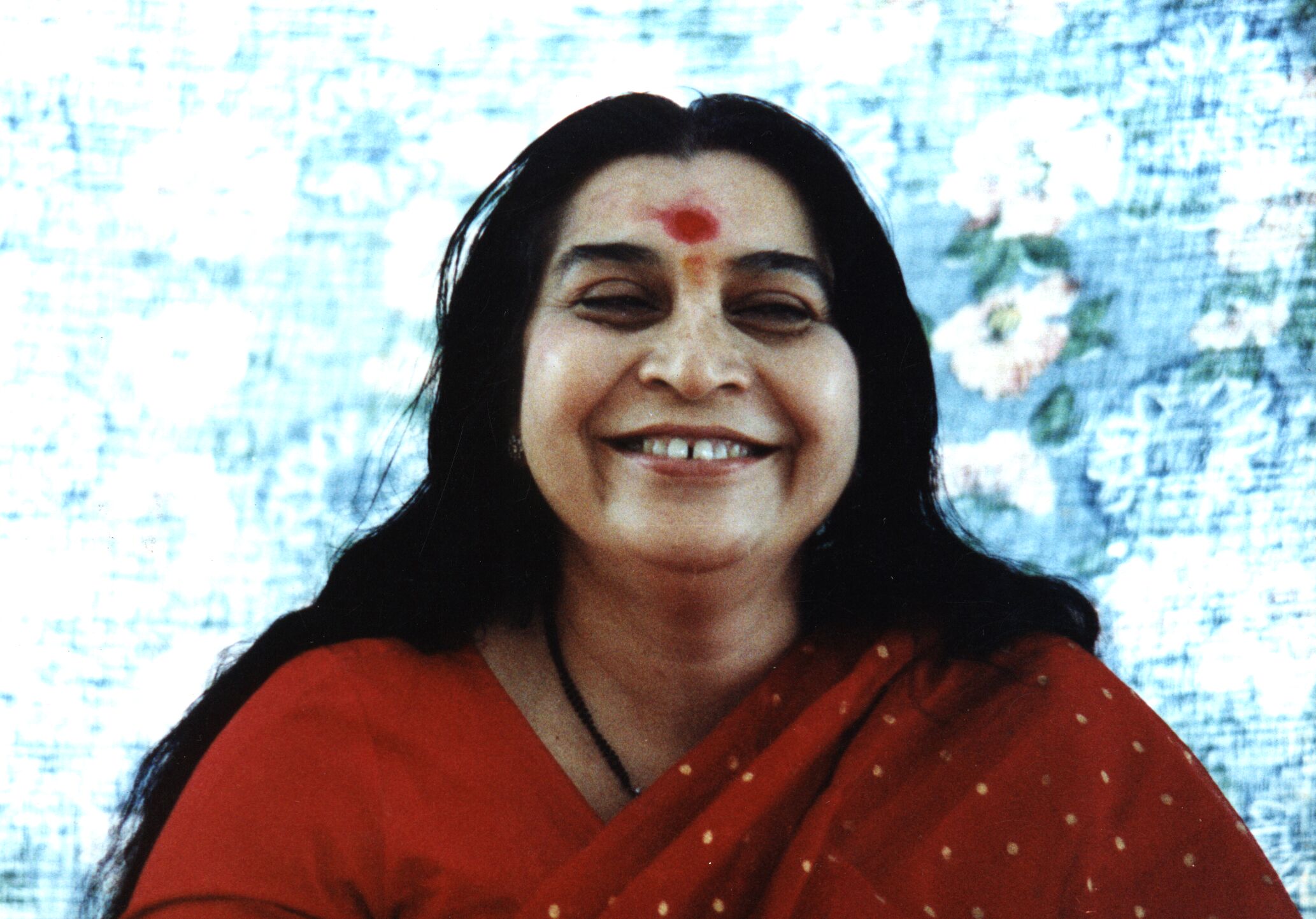
Sahaja Yoga, founded by Shri Mataji Nirmala Devi in 1970, is a spiritual practice centered on the experience of Self-Realization through the awakening of the Kundalini energy.
Unlike other spiritual practices that may rely on blind faith or rituals, Sahaja Yoga emphasizes direct, personal experience. The teachings of Sahaja Yoga are rooted in the belief that spirituality is a living, evolving process that must adapt to the needs of modern humanity.
The Core Principles of Sahaja Yoga:
It Is an Experiential Knowledge
Sahaja Yoga is not about adhering to a set of beliefs or doctrines; rather, it is about experiencing spiritual truths directly.
The process of Kundalini awakening, which is central to Sahaja Yoga, has been experienced by countless practitioners worldwide. This awakening leads to sensations such as cool breezes on the hands or head, which are tangible signs of spiritual ascent.
These experiences are not theoretical but are confirmed by those who practice regularly, making spirituality a matter of personal knowledge rather than belief (Shri Mataji Nirmala Devi).
“Sahaja Yoga is a system by which your attention enters into your Spirit; it’s an actualization. It is not talking, it is not sermonizing, it is not conditioning, but it is a happening. And this happening takes place within us because we are made that way.
God has created us specially for this last happening within us, where we become connected with our Spirit, and thus we become connected with the Spirit of all the people and actualize the experience of collective consciousness.“ – Shri Mataji Nirmala Devi, 1979, UK
Stages of Awareness:
-
- Thoughtless Awareness
The first stage of awareness is achieved when the Kundalini crosses the Agnya Chakra.
In this state, the mind becomes silent, free from the constant stream of thoughts, allowing for a deep connection with the present moment.
This state is essential for experiencing inner peace and mental clarity.
. - Doubtless Awareness
As the Kundalini continues to rise, the practitioner reaches a state where they are free from doubts about their spiritual experiences.
This stage is marked by a firm, unwavering connection to the Divine, with the consistent experience of spiritual vibrations validating the practitioner’s journey.
. - God Awareness
This state goes beyond individual consciousness, expanding into a collective consciousness where the practitioner feels a profound oneness with all of existence.
God awareness is marked by a deep sense of love, compassion, and unity, where the practitioner recognizes the Divine presence in every aspect of life. This state embodies the realization that the individual self is not separate from the Divine but is an integral part of it.
- Thoughtless Awareness

Self-Realization
The journey in Sahaja Yoga begins with Self-Realization, where the practitioner starts to realize their true nature as the Spirit, rather than merely the body, mind, or emotions. In this state:
- The practitioner experiences their inner Spirit as the source of true knowledge, peace, and joy. This realization leads to a profound transformation in how one perceives themselves and the world around them.“When the Kundalini flows into you and fills you up with vitality, you become extremely dynamic and at the same time extremely compassionate, kind and mild. You feel that you are protected and thus you are confident but not egotistical. Your whole personality changes. This is the kind of global transformation which is taking place with such a speed all over that I, myself, am surprised at how it is working out so fast.
Actually, this knowledge existed a long time back but my contribution, if there is any, is that we can now achieve en-mass Realization. Thousands can achieve mass Realization. It is a gift of this time where it was predicted that such a global transformation will take place.” – Shri Mataji Nirmala Devi - As the awareness deepens, the practitioner comes to understand that the Spirit is eternal and resides in a pure, undisturbed state within the heart.
This realization brings about a fundamental shift in consciousness, moving from identification with the material world to a deeper identification with the spiritual self.“Nobody has to tell you: “Don’t do this” and ”Don’t do that”. It is all achieved through your enlightened attention. This enlightened attention is also full of power. Wherever you put your attention it works, it creates peace, it creates harmony and also it creates a new dimension of collective consciousness.” – Shri Mataji Nirmala Devi
Universal Spirituality
Sahaja Yoga recognizes the validity and unity of all religions and spiritual traditions. It teaches that the Divine is present in all faiths and that the essence of all religions is the same. This inclusive approach encourages respect for all prophets, incarnations, and spiritual paths, emphasizing that true spirituality transcends religious boundaries.
The Role of the Divine Mother:
Central to Sahaja Yoga is the concept of the Kundalini, which is seen as the Divine Mother within each individual.
This energy, when awakened, purifies the chakras and connects the individual with the broader Divine presence. The Divine Mother, often equated with the Holy Ghost in Christianity or the Tao in Taoism, is the nurturing, creative force that leads to spiritual enlightenment.
A Spiritual Path Accessible to Everyone
Why a Spiritual Practice Must Be Free of Charge
Sahaja Yoga is offered entirely free of charge because its essence is rooted in the belief that true spirituality, especially our connection with God, is beyond materialism. In Sahaja Yoga, the understanding is that spiritual growth, enlightenment, and the experience of the Divine are sacred gifts that cannot be bought or sold. These experiences and connections are part of the intrinsic value of human existence, something far beyond the reach of money or material wealth.
The principle of offering Sahaja Yoga freely emphasizes that certain things in life—especially those connected to the Divine—are priceless and must remain accessible to everyone, regardless of financial status. This approach reinforces the idea that the most profound aspects of our spiritual journey, including Self-Realization and God-Realization, transcend material concerns and must be approached with a pure heart, free from the influence of commerce.
By maintaining this practice as free, Sahaja Yoga underscores that the path to discovering one’s true self and forging a connection with the Divine is a universal right, not a commodity. This ensures that spirituality remains pure, untainted by materialism, and that everyone has the opportunity to explore and experience the Divine, reflecting the inclusive and compassionate nature of Sahaja Yoga
Everyone Can Achieve It
Sahaja Yoga offers a path to spiritual growth that is accessible to everyone, regardless of their background or prior knowledge. It provides a means to achieve inner peace, balance, and a deep connection with the Divine through the experiential knowledge of Kundalini awakening. By progressing through the stages of awareness, practitioners can attain a state of God awareness, where they experience the full expression of the Divine in every aspect of their lives.
“The power of Kundalini is the pure desire of attaining your self-hood. If someone doesn’t want to have it, you cannot force him because the Divine respects the freedom of that person.” – Shri Mataji Nirmala Devi

Meditation Programs
Locations: Find classes near you: https://us.sahajayoga.org/
The programs are always free.
How long are the classes: about 1 hr
Any hard physical exercises: NONE. The participants are invited to sit comfortably on chairs or on the floor.
What to bring (if in person): In wintertime it is good to have warm socks (shoes are removed during the class)
Age limit: None, however it is requested that parents take care of their children so that other participants are not disturbed during the class
Courses: Classes are provided all year long and are grouped in courses or based on a theme
Everyday with Shri Mataji – Get Spiritual Quotes Daily


Sahaja Yoga Meditation App

 COME MEDITATE IN CONNECTICUT